Welcome to Ampinvt !
 Products
 Partnership
  Contact
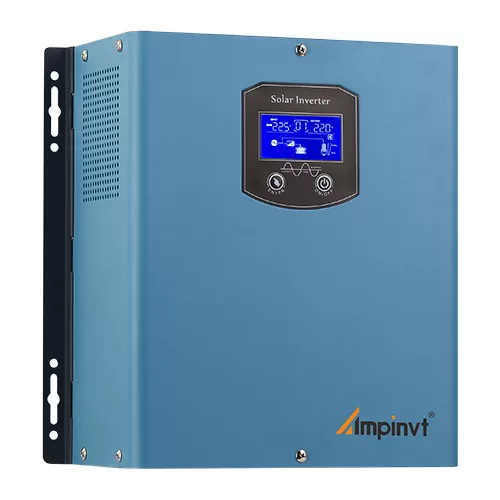
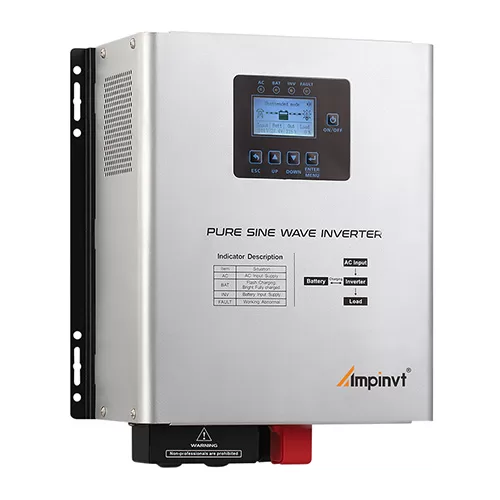
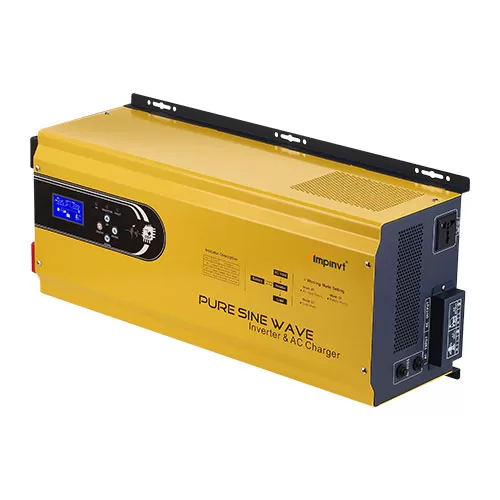
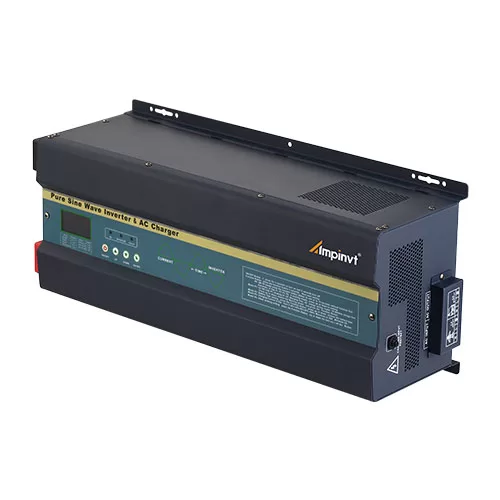
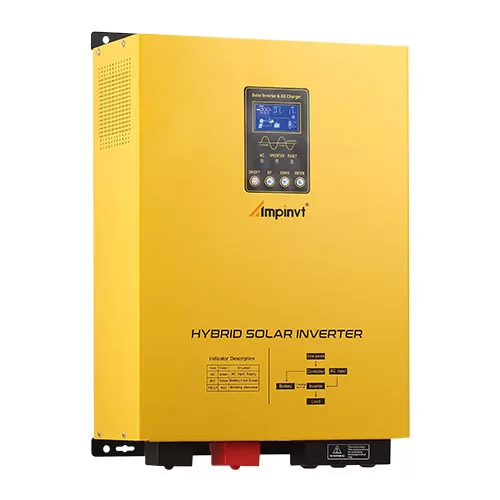
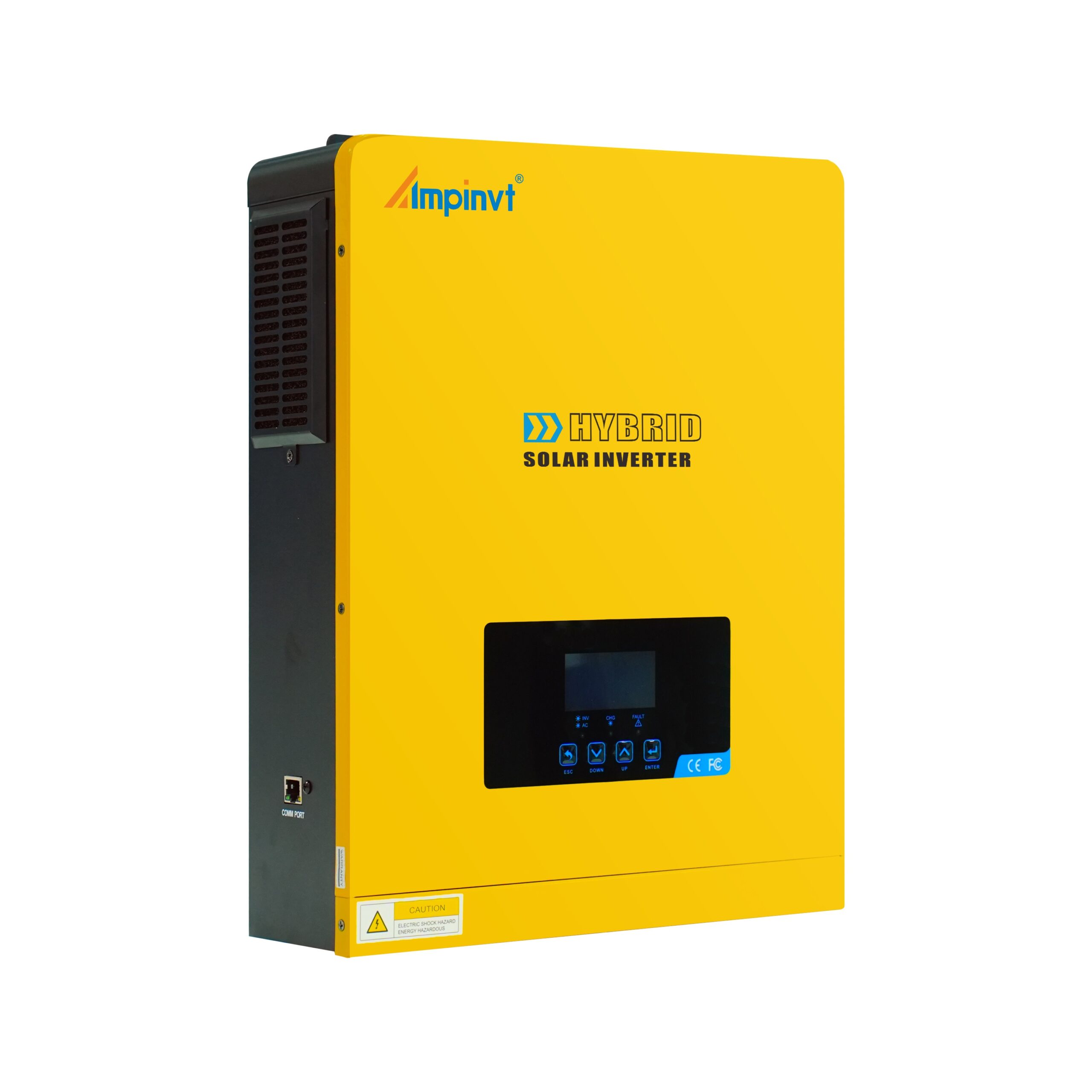
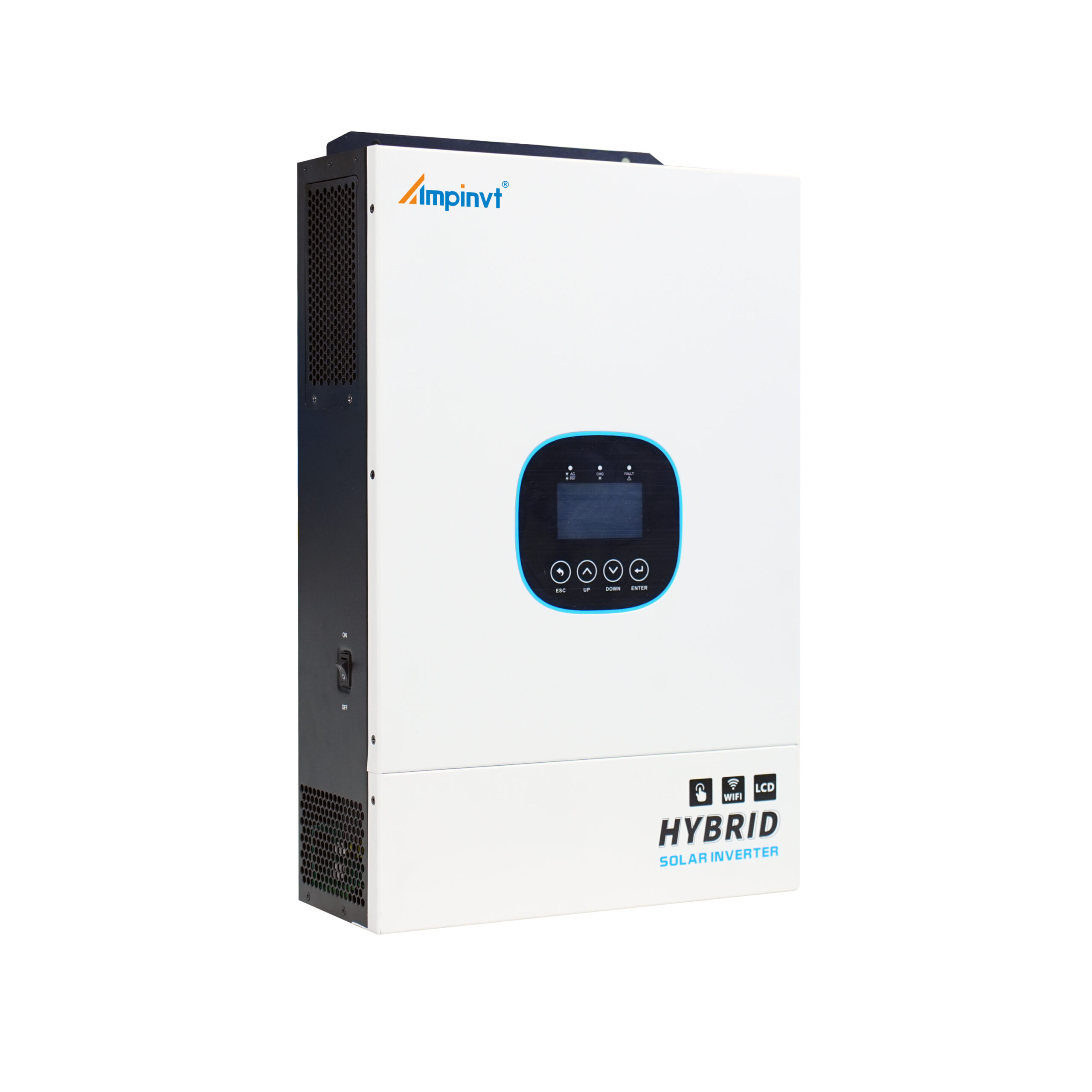
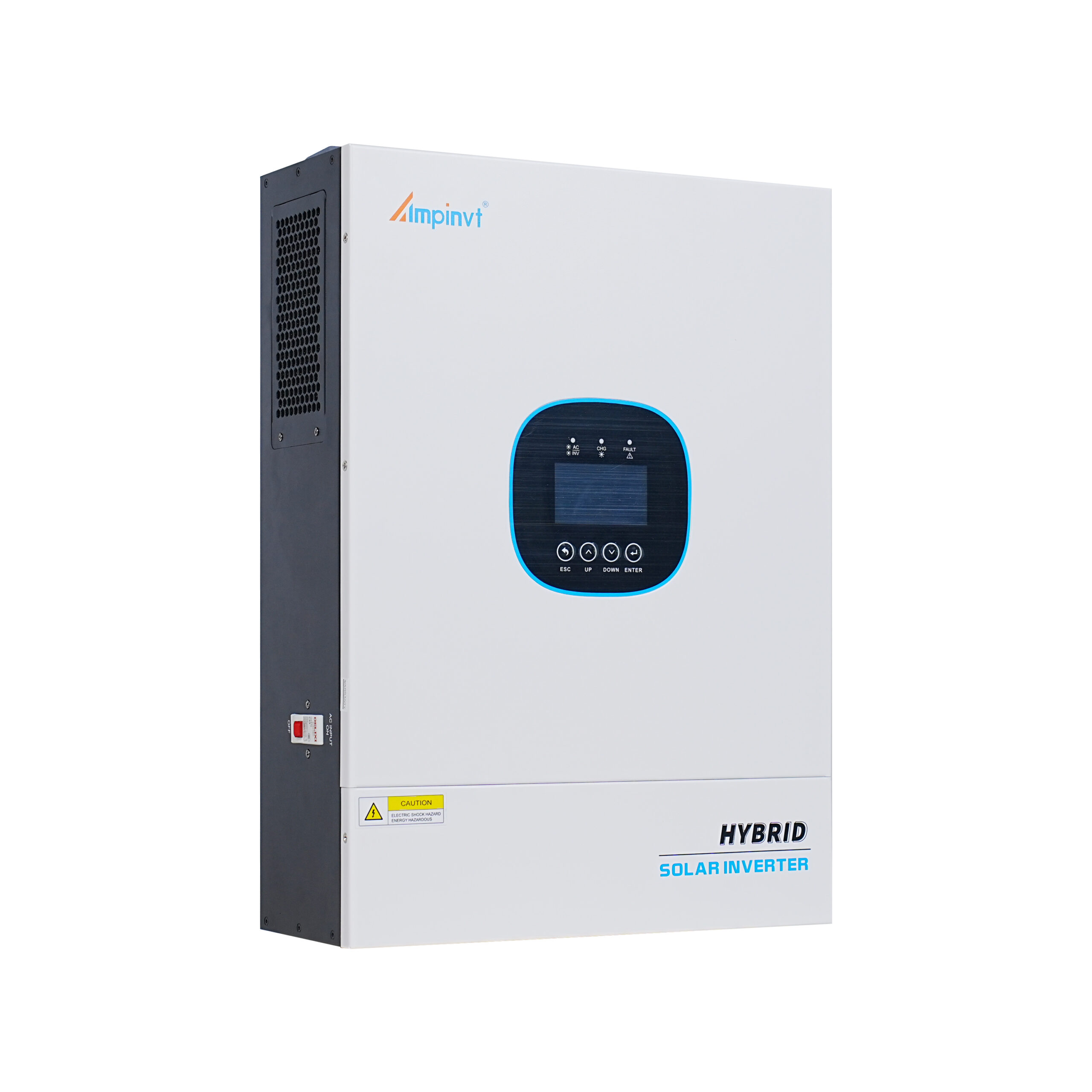
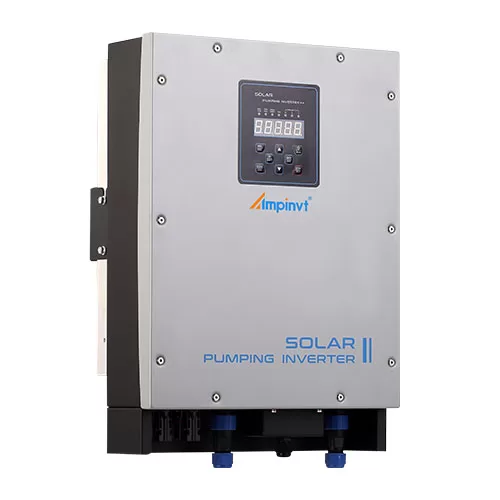
Solar power plants are an essential component of the renewable energy revolution, harnessing the sun’s energy to generate clean and sustainable electricity. A crucial component of these plants is the inverter, which converts the direct current (DC) produced by solar panels into alternating current (AC), allowing it to be fed into the power grid. Upgrading to high-efficiency inverters offers numerous advantages that can significantly enhance the performance and profitability of solar power plants.
Increased Energy Yield
High-efficiency solar inverters reduce energy losses during the conversion process, resulting in higher energy yields. By capturing more of the available solar energy and converting it into AC, power plants can produce more electricity for the same amount of installed solar panels. This boost in energy yield translates directly into increased revenue and return on investment for plant operators.
Lower Operating Costs
High-efficiency inverters consume less energy to operate, reducing the overall electricity costs associated with running a solar power plant. This reduction in operational expenses contributes to long-term savings, making solar power plants more financially sustainable and cost-effective. Additionally, reduced energy consumption lowers the plant’s carbon footprint, aligning with environmental sustainability goals.
Grid Stability and Reliability
High-efficiency solar inverters contribute to grid stability and reliability by providing voltage regulation and frequency control. By injecting a consistent and high-quality AC current into the grid, power plants help ensure smooth and uninterrupted power supply. This stability is particularly important in areas with intermittent renewable energy sources, such as solar and wind power.
Longer Equipment Lifespan
High-efficiency solar inverters are designed and manufactured with robust components that ensure durability and longevity. They are also equipped with temperature monitoring and cooling systems to prevent overheating and extend their lifespan. By investing in high-quality inverters, power plant operators can minimize maintenance costs and extend the operational life of their equipment.
Tax Incentives and Environmental Benefits
In many countries, solar power plants utilizing high-efficiency inverters qualify for tax incentives and government subsidies. These incentives can significantly reduce the initial investment cost and enhance the overall financial viability of the project. Moreover, high-efficiency inverters contribute to reducing greenhouse gas emissions by increasing the plant’s energy yield and reducing its carbon footprint.

COMPANY
PRODUCTS