Welcome to Ampinvt !
 Products
 Partnership
  Contact
Investing in a solar system for your home or business is a wise decision, both financially and environmentally. However, it’s essential to prioritize safety when choosing a solar controller, a critical component that regulates the flow of electricity from your solar panels to your batteries and appliances. This article will provide a comprehensive guide to ensure you make an informed purchase and safeguard your solar system.
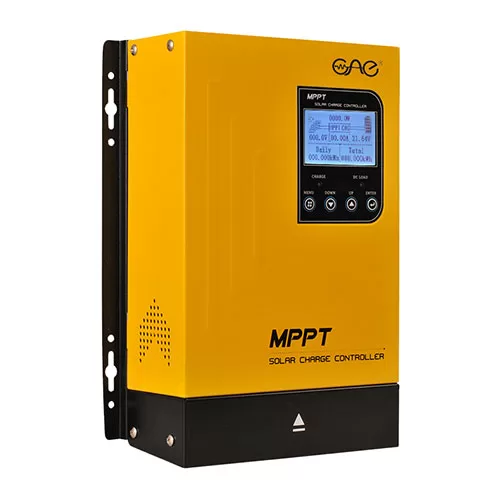
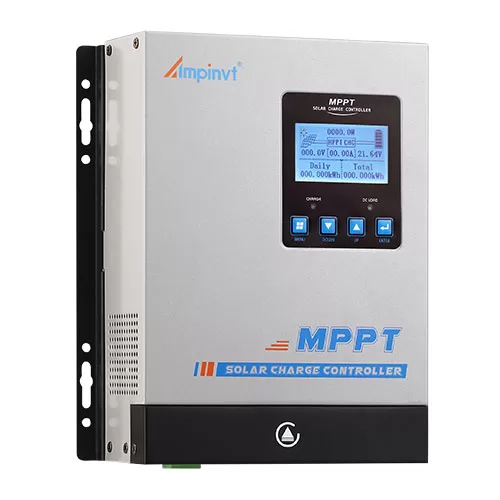
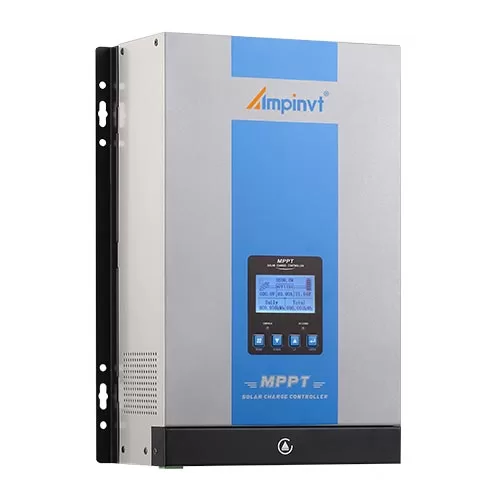
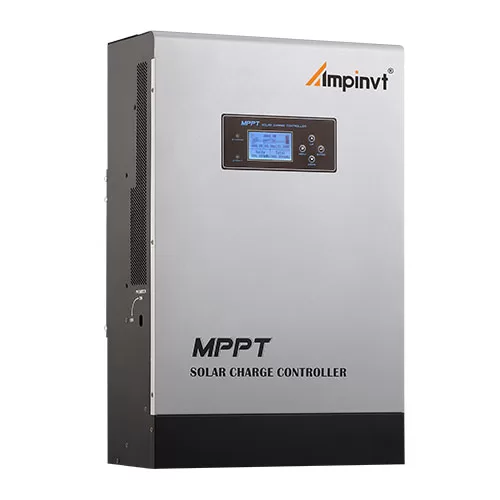
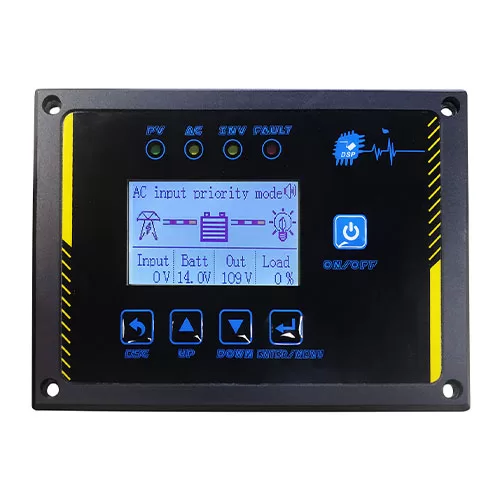
Solar controllers, also known as charge controllers, are electronic devices that regulate the charging and discharging of solar batteries. They prevent overcharging and overdischarging, which can damage batteries and shorten their lifespan. Solar controllers also optimize the flow of electricity to maximize the system’s efficiency and protect your appliances from voltage spikes and surges.
When purchasing a solar controller, consider the following safety factors:
Safety Certifications and Standards
Ensure the solar controller meets industry standards and certifications, such as UL (Underwriters Laboratories) or IEC (International Electrotechnical Commission). These certifications indicate that the controller has undergone rigorous testing and meets safety requirements.
Voltage Matching
Match the solar controller’s voltage rating to the voltage of your solar panels and batteries. Mismatched voltage can damage the components and create hazardous conditions.
Current Rating
The solar controller’s current rating should match or exceed the maximum current output of your solar panels. An undersized controller can overheat and cause a fire hazard.
Overvoltage Protection
Choose a solar controller with overvoltage protection to prevent damage from voltage spikes or surges. This feature protects the controller and downstream appliances from electrical damage.
Short Circuit Protection
Select a solar controller with short circuit protection to prevent electrical fires caused by short circuits in the wiring or appliances.
Reverse Current Protection
Reverse current protection prevents the battery from draining power back into the solar panels at night or when the solar panels are not generating electricity. This feature ensures the battery remains charged and protects the system from damage.
In addition to the above considerations, take the following steps to enhance safety:
Proper Installation
Ensure the solar controller is installed by a qualified electrician who follows the manufacturer’s instructions and local electrical codes.
Ventilation
Provide adequate ventilation around the solar controller to prevent overheating.
Monitoring
Monitor the solar controller regularly to track its performance and identify any potential issues.
By following the safety guidelines outlined in this article, you can ensure the safety and longevity of your solar system. Remember, a well-chosen and properly installed solar controller is crucial for protecting your investment, your home, and your family. By prioritizing safety, you can harness the benefits of solar energy while minimizing any potential risks.

COMPANY
PRODUCTS