Welcome to Ampinvt !
 Products
 Partnership
  Contact
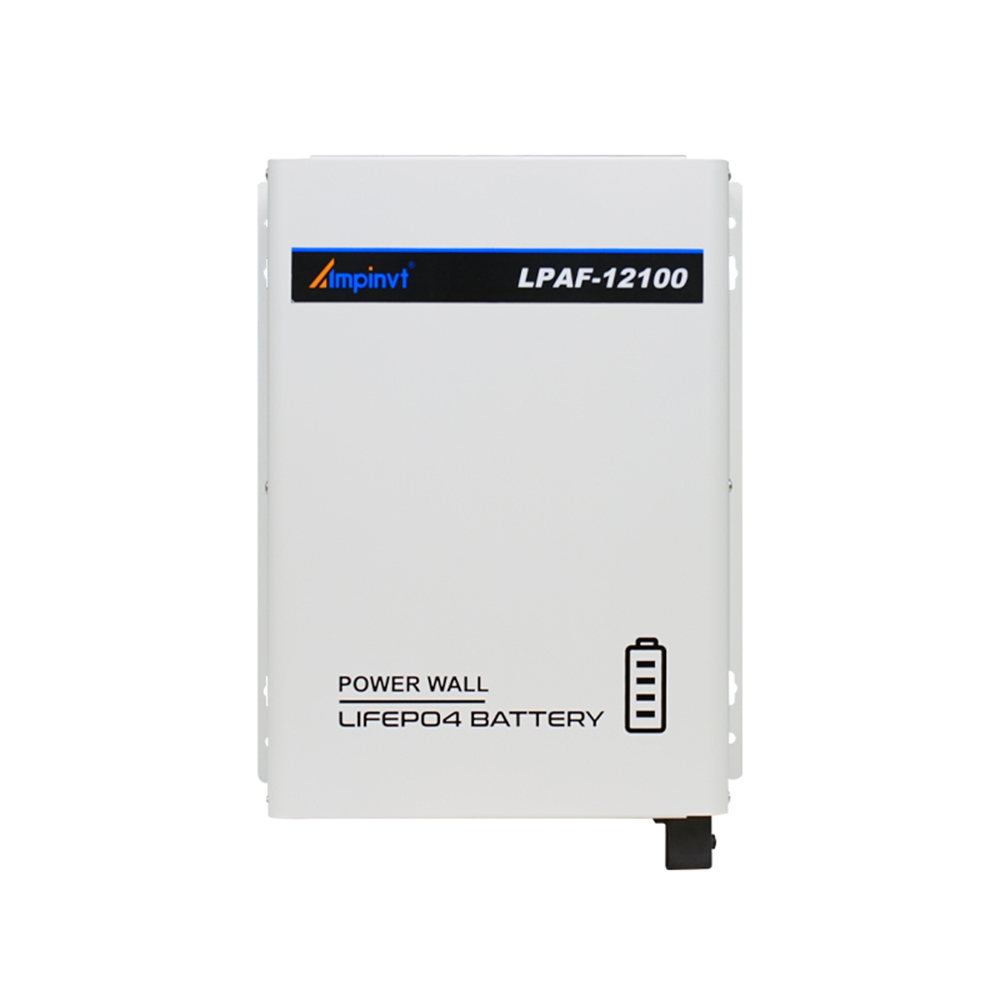
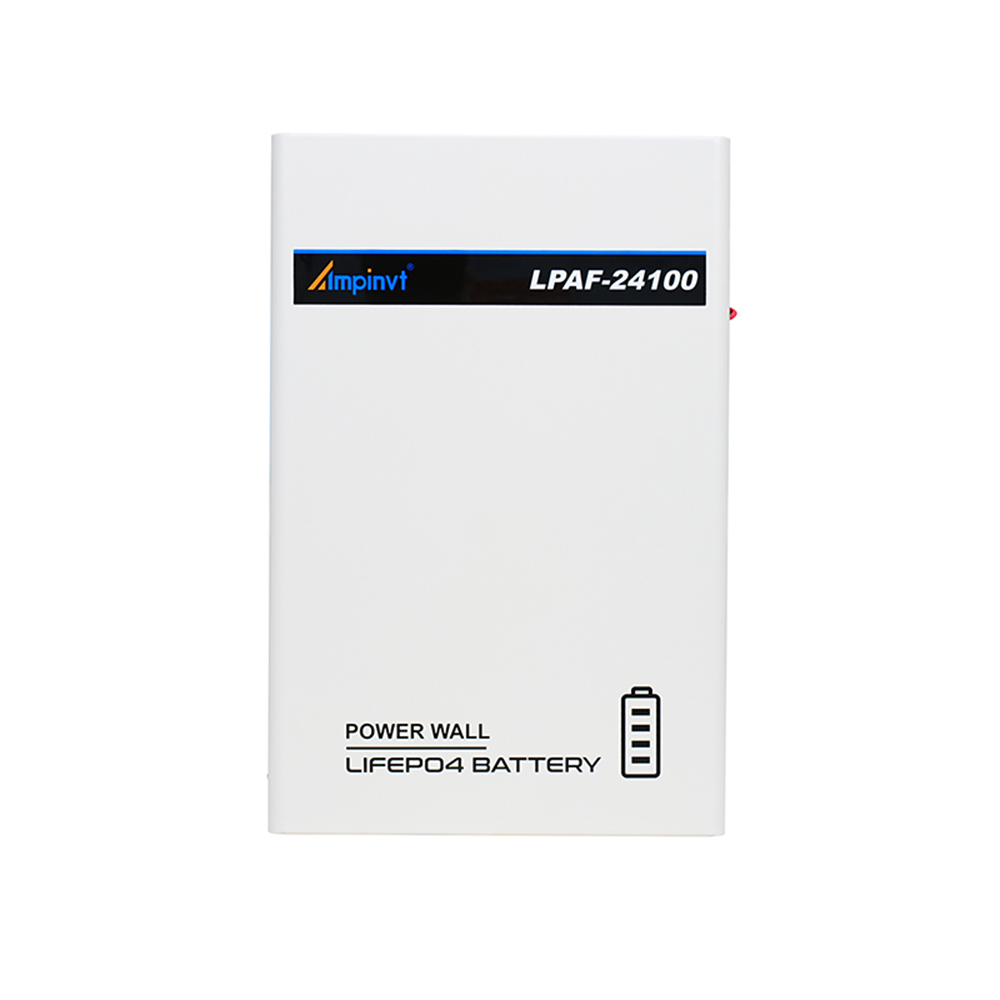
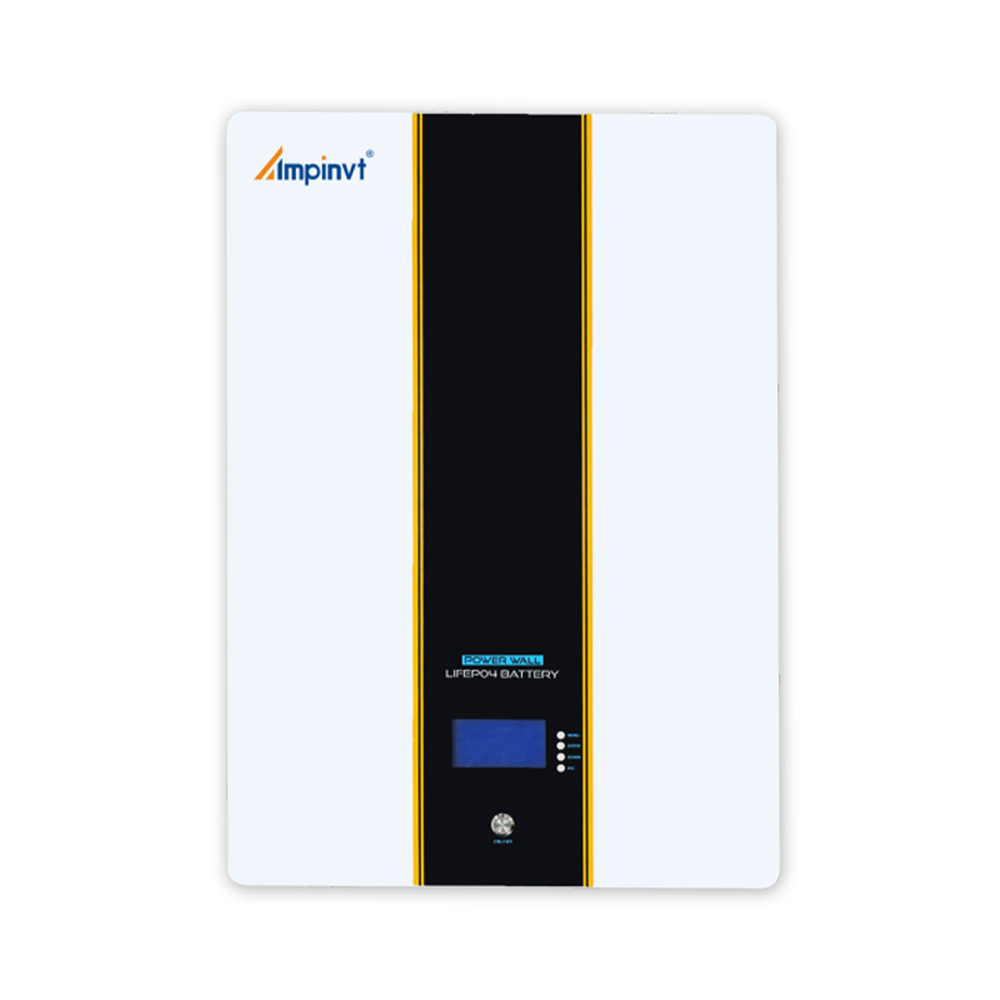
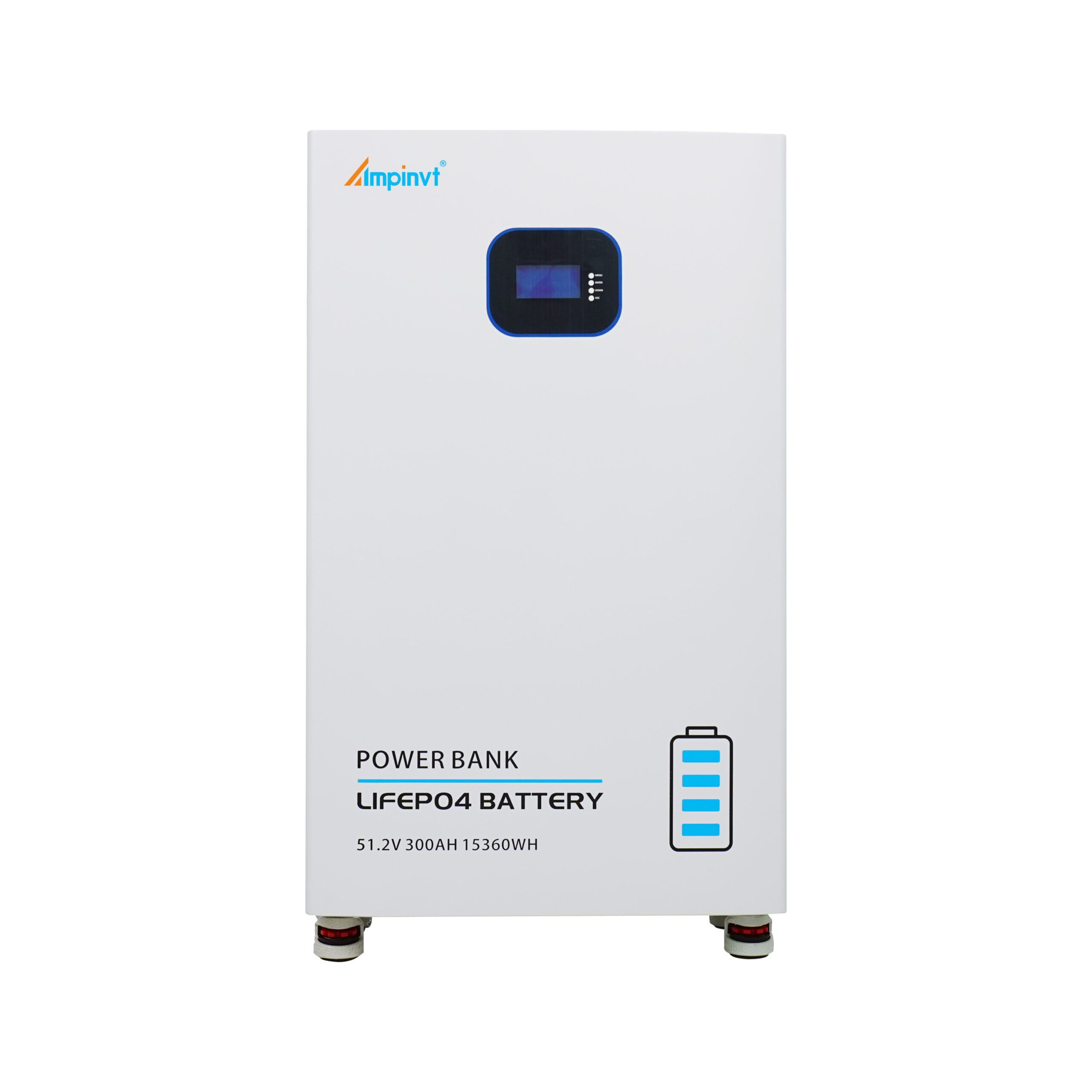
In the realm of energy storage, a fierce battle rages between two titans: lithium iron phosphate (LiFePO4) and absorbed glass mat (AGM) batteries. While both hold sway in various applications, their distinct characteristics set them worlds apart in the metrics of performance and lifespan.
Performance: A Duel of Power and Efficiency
LiFePO4 batteries triumph in the arena of performance, delivering a staggering three to four times the power of their AGM counterparts. This translates into exceptional surge capacity, making them the ideal choice for applications that demand bursts of high energy, such as powering electric vehicles or powering backup systems during power outages. Additionally, LiFePO4 batteries charge more rapidly, enabling them to quickly replenish their reserves after periods of discharge.
Lifespan: A Marathon of Endurance
The secret to LiFePO4 batteries’ longevity lies in their unique chemistry. Unlike AGM batteries, which employ lead plates that gradually degrade over time, LiFePO4 batteries utilize phosphate-based electrodes that resist deterioration remarkably. As a result, they boast an extraordinary lifespan of 10-15 years, far surpassing the 3-5 years typically offered by AGM batteries. This extended lifespan translates to significant cost savings over the long haul.
Conclusion: The Victor Emerges
When it comes to performance and lifespan, LiFePO4 batteries emerge victorious over AGM batteries. Their superior power, rapid charging, and exceptional durability make them the undisputed champions in a wide range of applications. While they come at a premium, their longevity and reliability more than compensate for the initial investment. As technology continues to advance, LiFePO4 batteries will undoubtedly continue to dominate the energy storage landscape, revolutionizing the way we power our devices and our world.

COMPANY
PRODUCTS