Welcome to Ampinvt !
 Products
 Partnership
  Contact
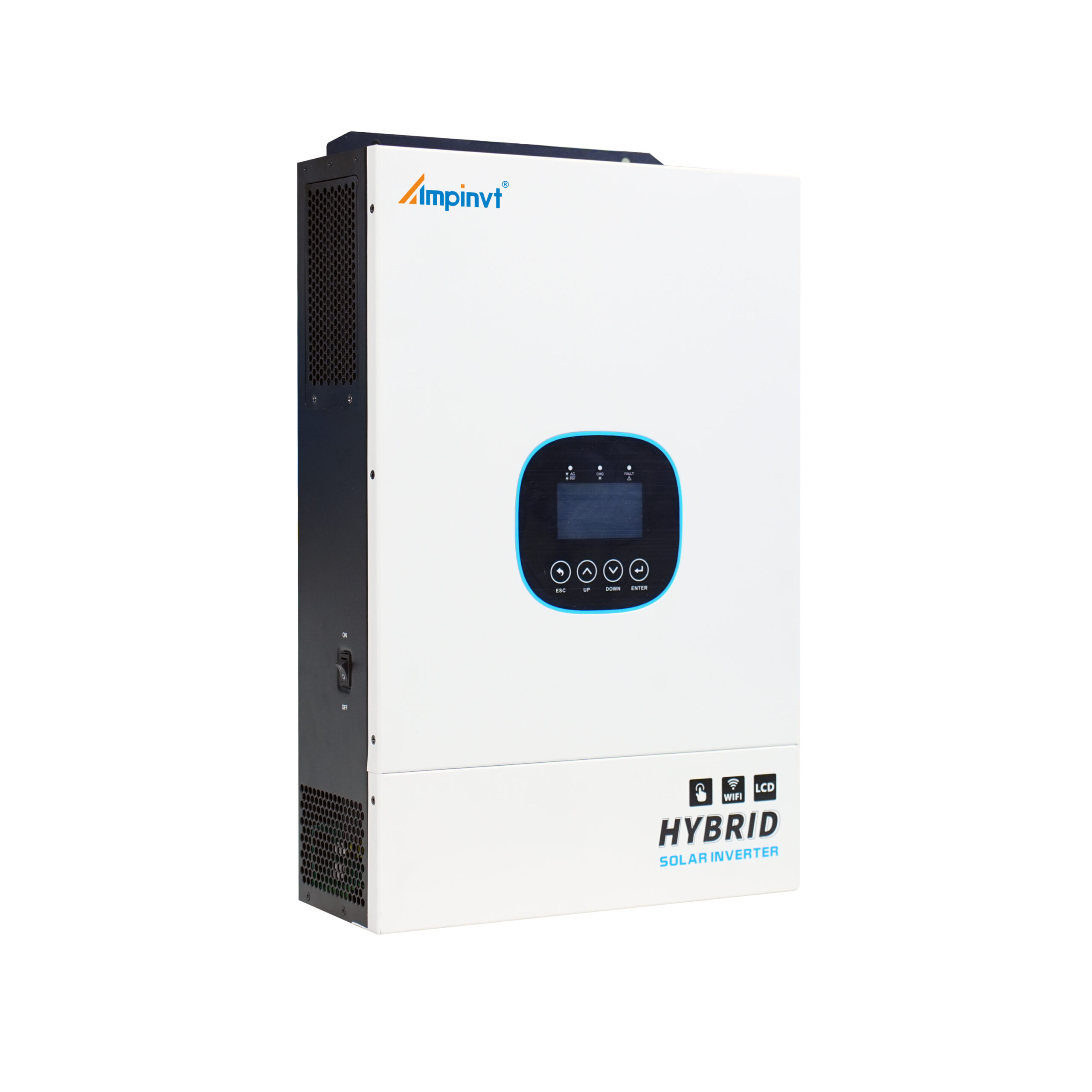
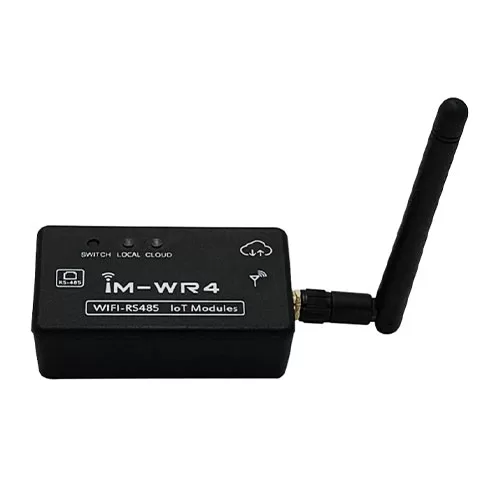
In an era marked by the increasing adoption of smart home technologies, solar energy systems are becoming an integral part of this revolution. The integration of solar inverters with WiFi modules plays a pivotal role in unlocking the potential of smart home integration, enabling homeowners to optimize their energy consumption, reduce their carbon footprint, and enhance their overall living experience.
Real-Time Energy Monitoring
WiFi modules integrated into solar inverters provide real-time monitoring capabilities, allowing homeowners to track their energy production and consumption patterns. Through smartphone apps or online platforms, users can access detailed data on solar power output, energy usage, and system efficiency. This information empowers homeowners to make informed decisions about their energy usage, identify areas for improvement, and maximize their system’s performance.
Remote Control and Configuration
WiFi connectivity enables remote control and configuration of solar inverters from anywhere with an internet connection. This feature allows homeowners to adjust system settings, monitor performance, and troubleshoot issues remotely. For instance, if the inverter detects a problem, homeowners can receive notifications and take appropriate actions, minimizing downtime and optimizing system functionality.
Smart Home Integration
WiFi modules bridge the gap between solar inverters and smart home ecosystems. By connecting the inverter to a smart home hub, homeowners can integrate their solar system into their broader smart home network. This integration allows for seamless control of solar energy production, consumption, and storage, alongside other smart home devices. For example, homeowners can set up rules to automatically charge electric vehicles when solar power is abundant or reduce energy usage when peak rates apply.
Energy Consumption Optimization
WiFi-enabled solar inverters empower homeowners to optimize their energy consumption. By leveraging energy monitoring data, homeowners can identify peak usage periods and adjust their energy consumption habits to minimize peak demand and reduce energy costs. Furthermore, integrated artificial intelligence (AI) algorithms can analyze consumption patterns and provide personalized recommendations for energy optimization.
Advanced Fault Detection and Diagnostics
WiFi modules enable advanced fault detection and diagnostics capabilities. They continuously monitor inverter performance and communicate any detected issues to homeowners via push notifications or email alerts. This proactive approach allows homeowners to address potential problems early on, preventing system downtime and ensuring optimal performance. Moreover, remote diagnostics capabilities facilitate faster and more efficient troubleshooting by solar installers or manufacturers.
Future-Proofing for Energy Independence
WiFi modules in solar inverters contribute to future-proofing homes for enhanced energy independence. As smart home technologies and renewable energy systems continue to evolve, WiFi connectivity ensures that solar inverters remain compatible with the latest advancements. Homeowners can seamlessly integrate new smart energy devices and services into their existing solar power infrastructure, maximizing the benefits of a connected and sustainable home.

COMPANY
PRODUCTS