Welcome to Ampinvt !
 Products
 Partnership
  Contact
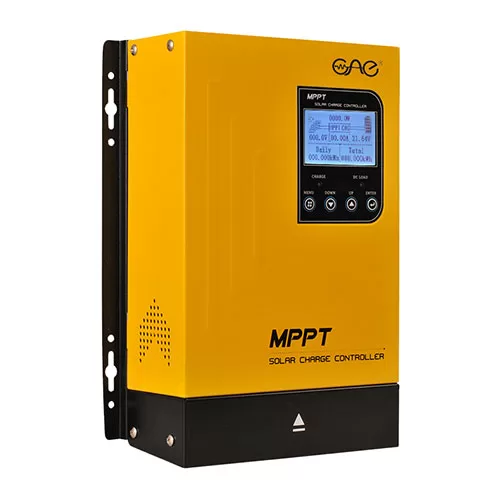
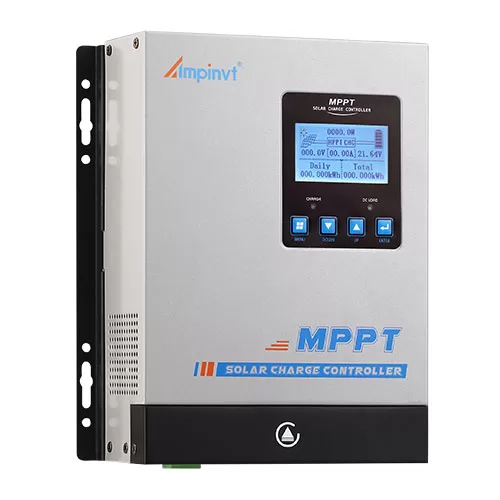
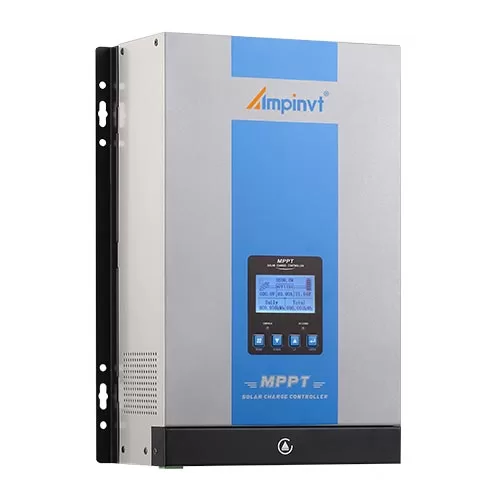
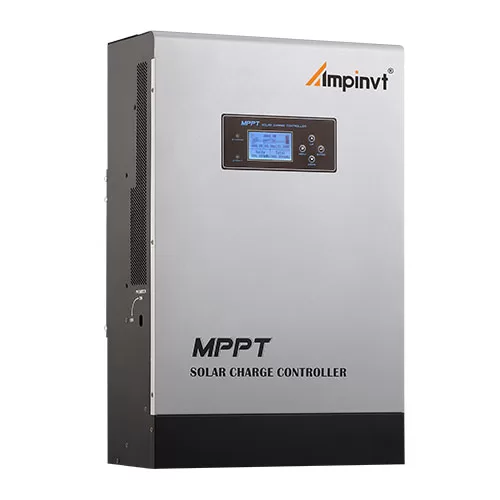
The lithium charge controller is a critical component in any solar power system, as it regulates the flow of electricity from the solar panels to the batteries. Proper maintenance and care of your lithium charge controller are essential to ensure its optimal performance and longevity.
Regular Cleaning
Your lithium charge controller should be cleaned regularly to prevent dirt and debris from accumulating on its surface. Use a soft cloth dampened with water or a mild cleaning solution to wipe down the exterior of the charge controller, taking care to avoid getting any moisture inside the unit.
Inspect Connections
Loose or corroded connections can lead to performance issues or even safety hazards. Periodically inspect the terminals and connections on your lithium charge controller to ensure they are tight and free of corrosion. Use a torque wrench to properly tighten any loose connections.
Monitor Parameters
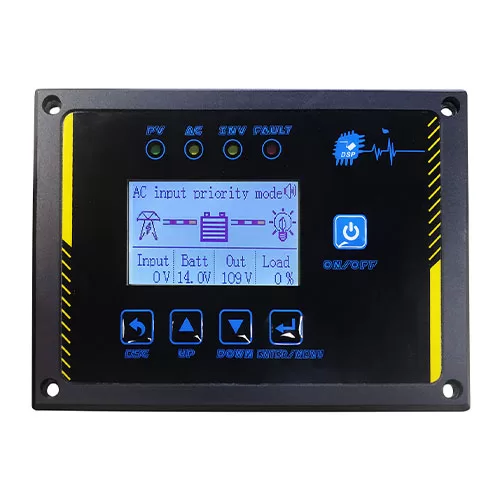
Your lithium charge controller should be monitored regularly to ensure it is operating within the desired parameters. Check the display or use a monitoring device to verify the voltage, current, and temperature readings. If any of these values are outside the normal range, investigate the cause and take corrective action.
Firmware Updates
Charge controller manufacturers occasionally release firmware updates to address bugs or add new features. Keeping your charge controller’s firmware up to date can improve its performance and reliability. Check for firmware updates on the manufacturer’s website and follow the instructions for updating the firmware.
Environmental Protection
Lithium charge controllers are sensitive to extreme temperatures and moisture. Protect your charge controller from harsh weather conditions by installing it in a dry, well-ventilated location. Consider using a protective enclosure to shield the charge controller from direct sunlight, rain, and snow.
Storage
If you need to store your lithium charge controller for an extended period, follow these steps:
Disconnect the charge controller from the solar panels and batteries.
Clean the charge controller as described above.
Store the charge controller in a dry, cool place, preferably in its original packaging.
Avoid storing the charge controller for more than six months without recharging it.
Troubleshooting
If you encounter any issues with your lithium charge controller, refer to the troubleshooting guide provided by the manufacturer. Common problems include overcharging, undercharging, and communication errors. If you are unable to resolve the issue yourself, contact the manufacturer for technical support.
Conclusion
Proper maintenance and care of your lithium charge controller are essential to its long-term performance and reliability. By following the tips outlined above, you can ensure that your charge controller operates efficiently, maximizing the output of your solar power system.

COMPANY
PRODUCTS