Welcome to Ampinvt !
 Products
 Partnership
  Contact
In an era marked by environmental concerns and rising energy costs, solar energy has emerged as a viable and sustainable solution. To harness the full potential of a solar system, selecting the ideal hybrid solar charge controller is crucial. This comprehensive guide will provide a detailed analysis of the key factors to consider when choosing a hybrid solar charge controller, empowering you to make an informed decision that meets your specific needs.
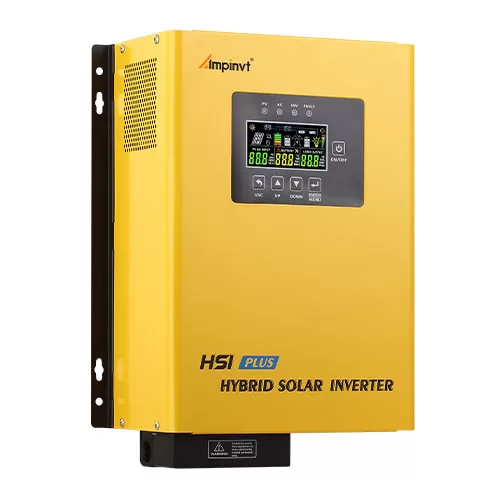
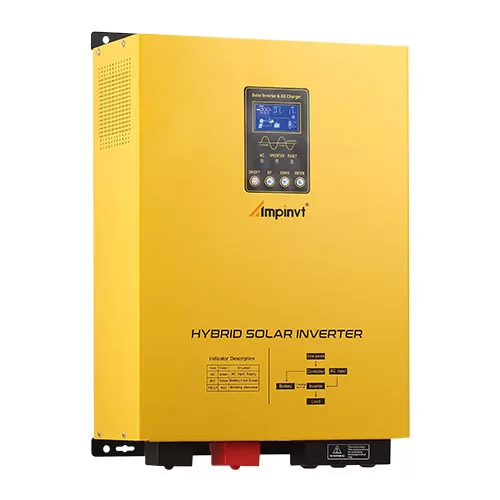
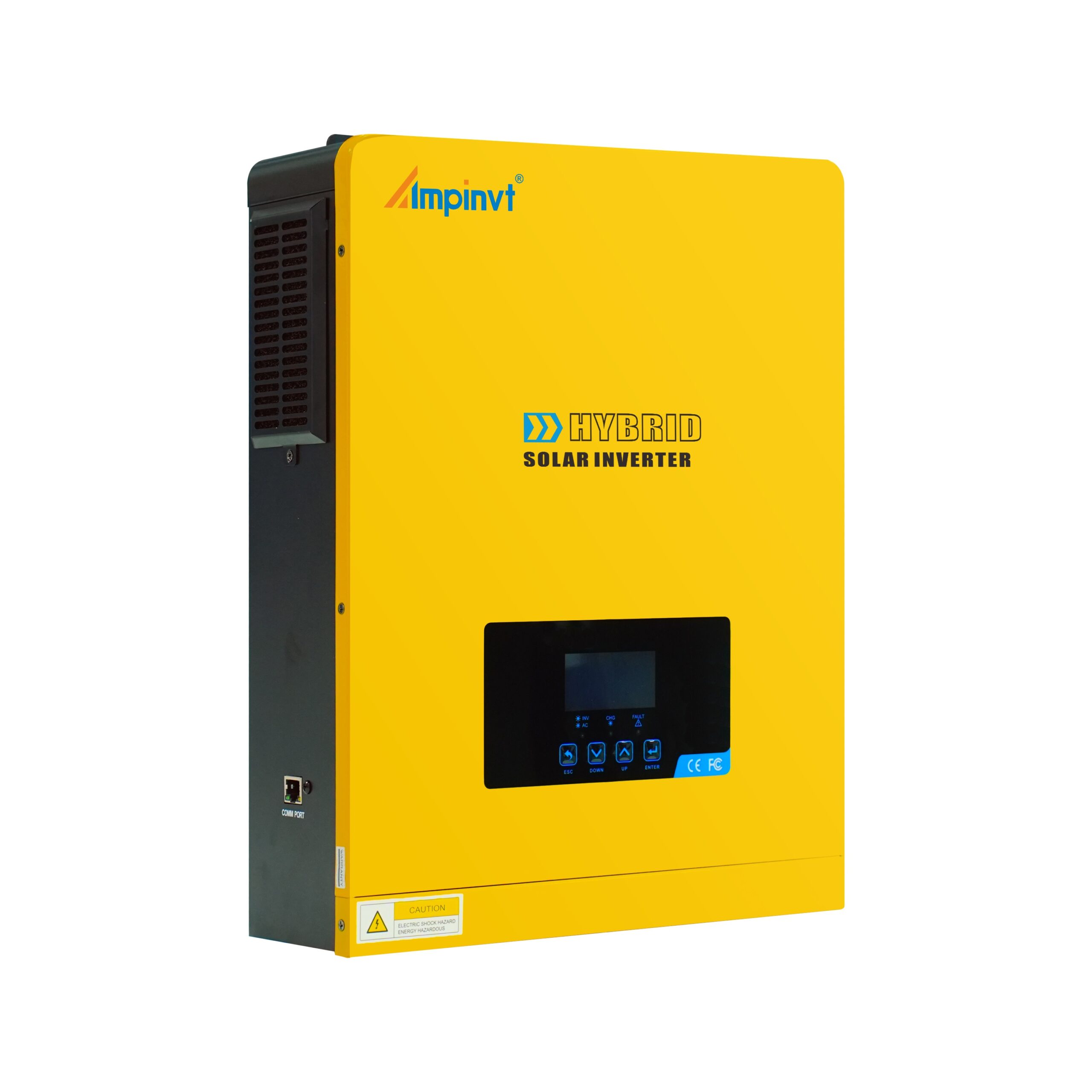
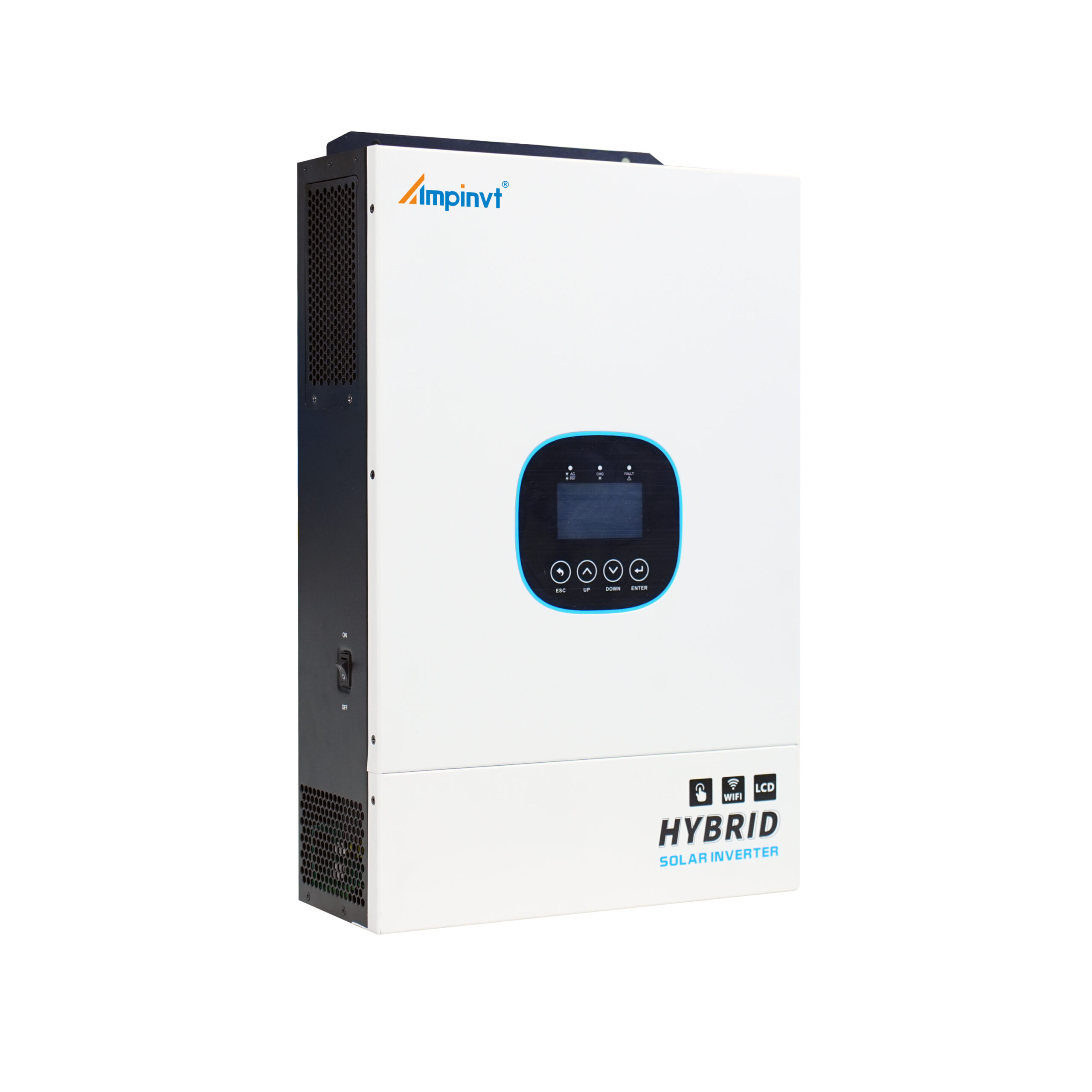
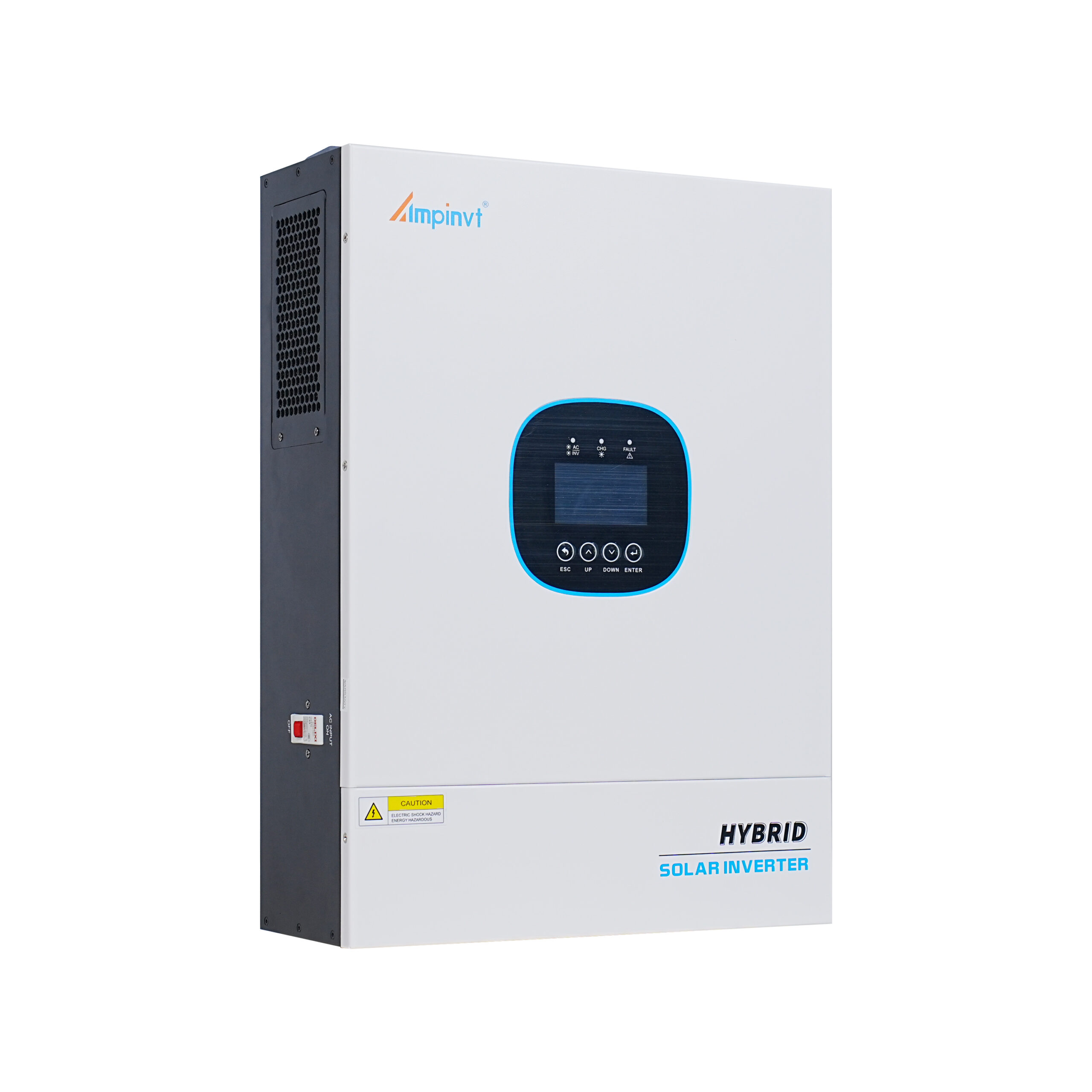
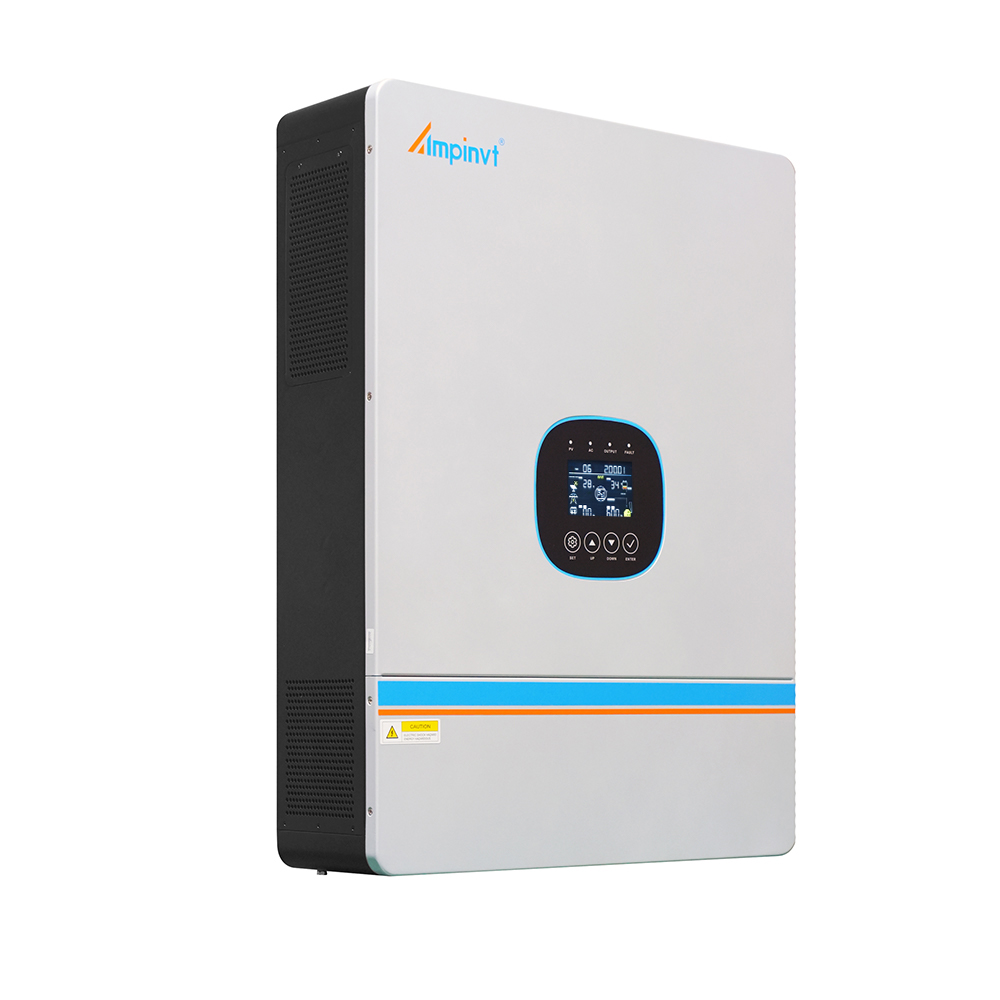
Hybrid solar charge controllers seamlessly integrate the functionality of a solar charge controller and an AC battery charger into a single unit. This versatile device plays a critical role in managing the flow of energy between solar panels, batteries, and the grid. By optimizing battery charging and preventing overcharging or deep discharge, hybrid charge controllers extend battery life and ensure the reliable performance of your solar system.
1. System Voltage and Current Capacity
The voltage and current output of your solar panels and battery bank determine the appropriate charge controller. Choose a controller that matches the system voltage and can handle the maximum current produced by your panels.
2. Battery Type and Capacity
The type and capacity of your battery bank influence the charge controller requirements. Different battery types have specific charging profiles and voltage limits, so select a controller compatible with your batteries. Ensure the controller can support the battery capacity to avoid overloading or undercharging.
3. Charge Algorithms
Various charge algorithms are available, each with its advantages. Choose a charge controller that employs an algorithm suitable for your battery type. MPPT (Maximum Power Point Tracking) controllers maximize energy extraction from solar panels, while PWM (Pulse Width Modulation) controllers are generally more cost-effective.
4. AC Input Capability
Hybrid charge controllers enable AC power input from the grid or a generator. Consider your backup power needs and select a controller with sufficient AC input capacity to meet them. This feature allows you to charge your batteries even when solar power is unavailable.
5. Remote Monitoring and Communication
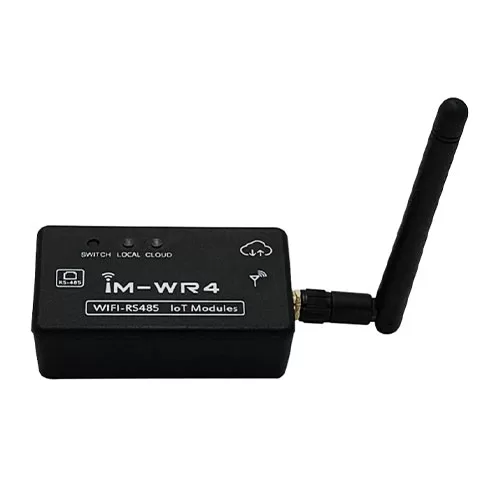
Modern charge controllers often offer remote monitoring and communication capabilities. These features allow you to monitor your system’s performance, adjust settings, and troubleshoot issues remotely. Choose a controller that supports your preferred communication protocols and monitoring platforms.
6. Additional Features
Depending on your specific needs, you may want to consider charge controllers with additional features such as:
– Load management
– Inverter integration
– Parallel stacking capability
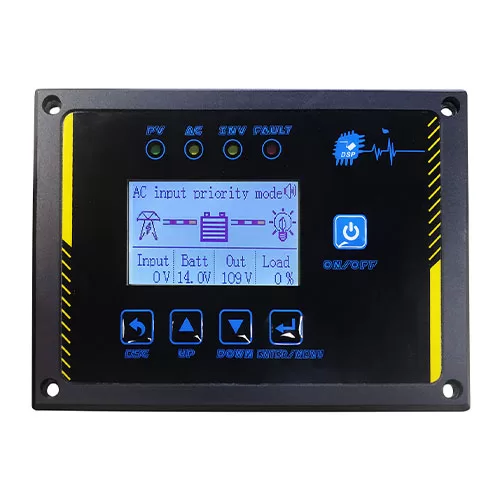
– Built-in display
7. Warranty and Customer Support
A reliable warranty and prompt customer support are crucial. Select a charge controller from a reputable manufacturer that offers a comprehensive warranty and responsive technical assistance.
Selecting the ideal hybrid solar charge controller is essential for maximizing the performance and longevity of your solar system. By carefully considering the factors discussed in this guide, you can make an informed decision that ensures your system operates efficiently and meets your specific requirements. Ultimately, the right charge controller will seamlessly integrate solar power into your electrical grid, providing a sustainable and cost-effective energy solution for years to come.

COMPANY
PRODUCTS