Welcome to Ampinvt !
 Products
 Partnership
  Contact
Small MPPT Solar Charge Controllers: A Comprehensive Guide
Introduction
As the demand for renewable energy sources continues to rise, solar power systems have become increasingly popular. A key component of these systems is the charge controller, which regulates the flow of electricity from solar panels to batteries. Among the different types of charge controllers, small MPPT (Maximum Power Point Tracking) solar charge controllers offer a range of advantages, making them a popular choice for both residential and commercial applications. This comprehensive guide will provide an in-depth overview of small MPPT solar charge controllers, including their functionality, benefits, and selection criteria.
Functionality of Small MPPT Solar Charge Controllers
Small MPPT solar charge controllers employ a sophisticated algorithm to track the maximum power point of the solar panels, ensuring optimal power extraction from the photovoltaic system. The MPPT algorithm continuously adjusts the operating voltage of the panels, maximizing the current flow and thus increasing the efficiency of the energy conversion process. By optimizing the solar panel output, MPPT charge controllers can significantly improve the performance of the solar system, especially in conditions of varying solar irradiance.
Benefits of Small MPPT Solar Charge Controllers
Increased Efficiency: MPPT charge controllers optimize the performance of solar panels, resulting in increased energy yield and lower energy costs.
Enhanced Battery Health: By regulating the charging process, MPPT controllers prevent overcharging and undercharging of batteries, extending their lifespan and maximizing their efficiency.
Protection Features: Most MPPT charge controllers incorporate various protection features, including overcurrent protection, reverse current protection, and temperature monitoring, ensuring the safety and reliability of the solar system.
Compatibility: Small MPPT solar charge controllers are compatible with a wide range of solar panels and batteries, making them a versatile solution for various system configurations.
Selection Criteria for Small MPPT Solar Charge Controllers
System Size: The size of the charge controller should match the capacity of the solar panel array. For optimal performance, choose a controller with a rated capacity slightly higher than the total solar panel output.
Battery Voltage: Select a charge controller that supports the battery voltage of your system. Common battery voltages for small systems include 12V, 24V, and 48V.
Current Rating: Ensure that the current rating of the charge controller is sufficient to handle the maximum output current from the solar panels.
Load Requirement: Consider the total power consumption of the connected loads when selecting the charge controller. The controller should have a rated current capacity that exceeds the total load requirement.
Additional Considerations
In addition to the basic selection criteria, there are other factors to consider when choosing a small MPPT solar charge controller. These include:
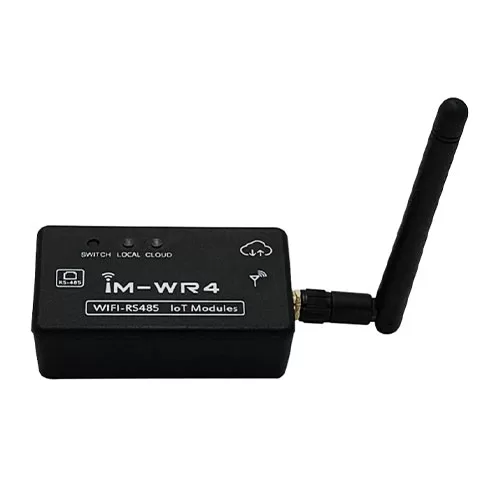
Communication Interface: Some charge controllers offer communication interfaces such as Bluetooth or Wi-Fi, allowing for remote monitoring and configuration.
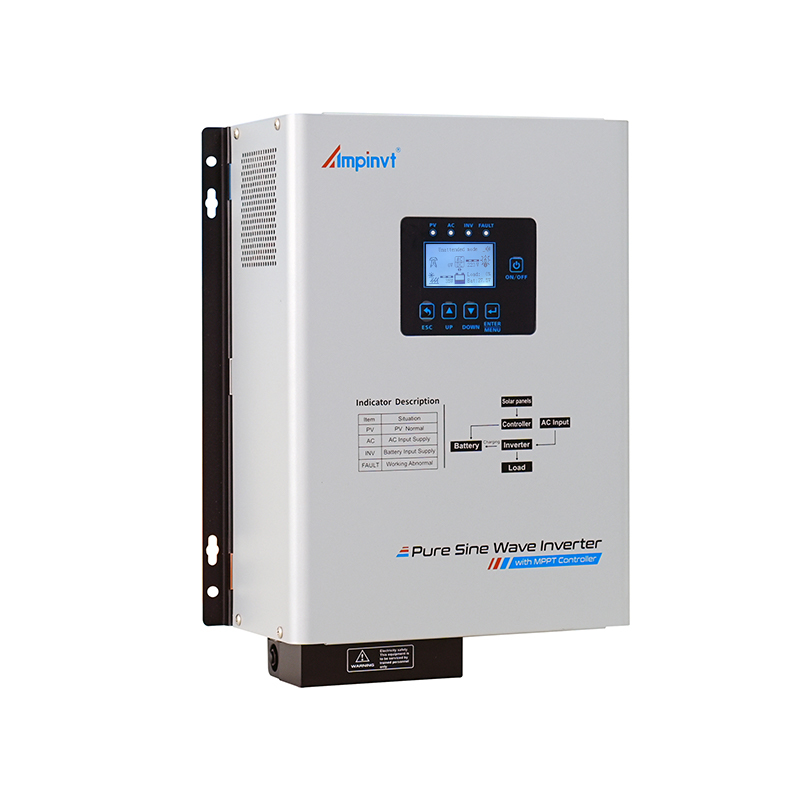
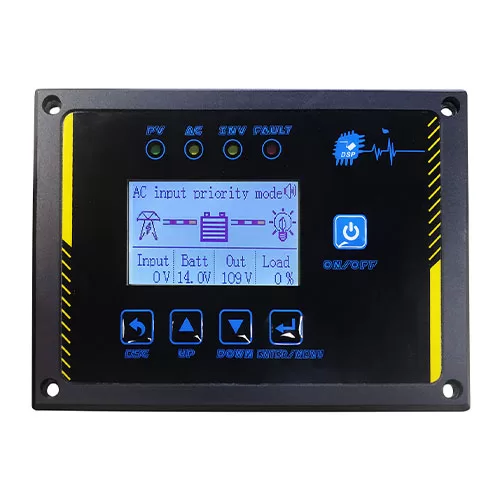
Display: A backlit display can provide valuable information about the system’s operation, including battery voltage, charging current, and solar panel output.
Mounting Style: Choose a charge controller with a suitable mounting style for your installation, such as wall-mounted or DIN-rail mounted.
Conclusion
Small MPPT solar charge controllers offer numerous advantages for residential and commercial solar systems. By optimizing solar panel output, protecting batteries, and providing safety features, MPPT controllers enhance the efficiency, reliability, and lifespan of photovoltaic systems. This comprehensive guide has provided detailed information on the functionality, benefits, and selection criteria of small MPPT solar charge controllers. By carefully considering the factors discussed in this guide, you can choose the optimal charge controller to meet the specific needs of your solar system.

COMPANY
PRODUCTS