Welcome to Ampinvt !
 Products
 Partnership
  Contact
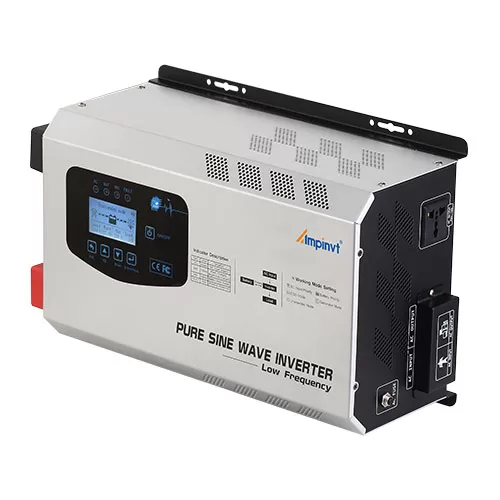
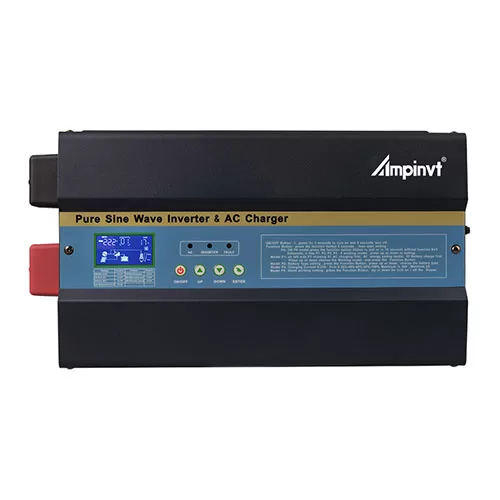
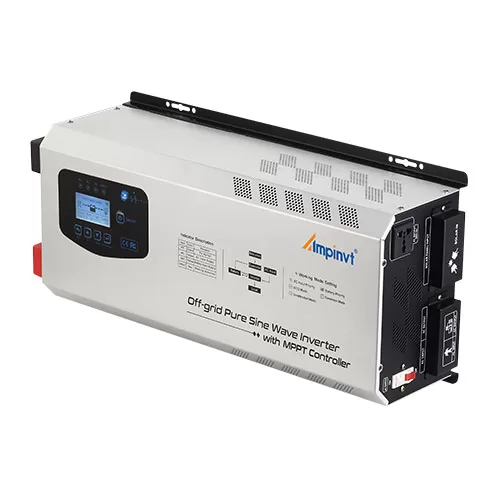
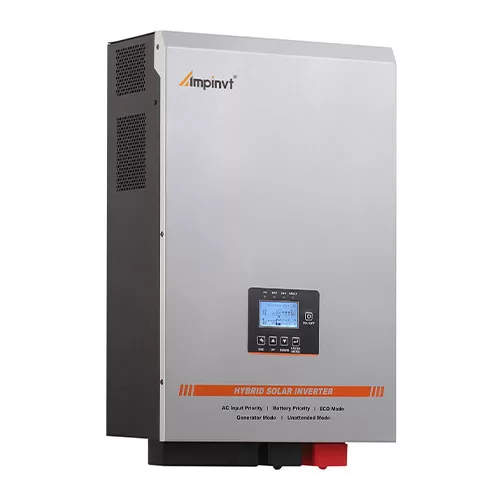
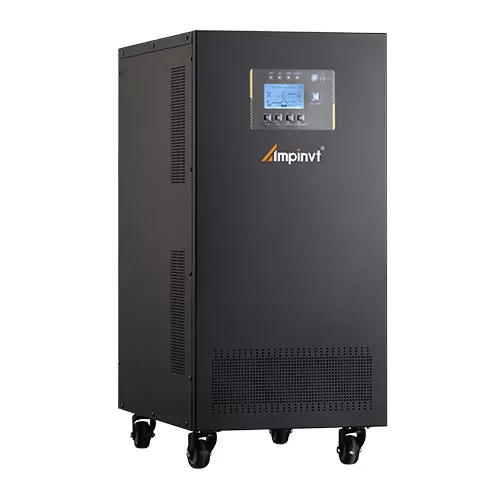
Low frequency power inverters are essential components in various applications, ranging from solar energy systems to battery-powered devices. By understanding and implementing specific techniques, users can effectively maximize the efficiency of these inverters, thereby optimizing system performance and reducing energy consumption.
Selecting an inverter with high efficiency ratings and low ripple voltage is crucial. Look for models with efficiency ratings of 90% or higher, as these devices minimize power loss during conversion. Additionally, low ripple voltage reduces electrical noise and improves the overall stability of the system.
Proper cable sizing ensures minimal voltage drop and power loss. Use cables with adequate cross-sectional area and short lengths to minimize resistance. AWG 10 or larger cables are recommended for higher current applications, while AWG 12 cables can be suitable for lower loads.
Matching the battery bank capacity to the inverter’s power output is essential. An undersized battery bank will struggle to meet the inverter’s load demands, resulting in efficiency losses. Conversely, an oversized battery bank adds unnecessary weight and cost while providing no significant efficiency benefits.
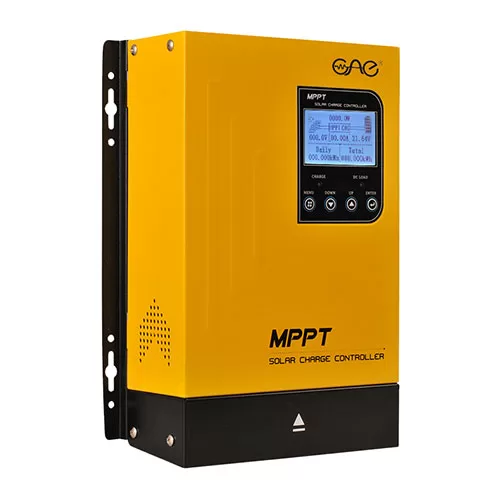
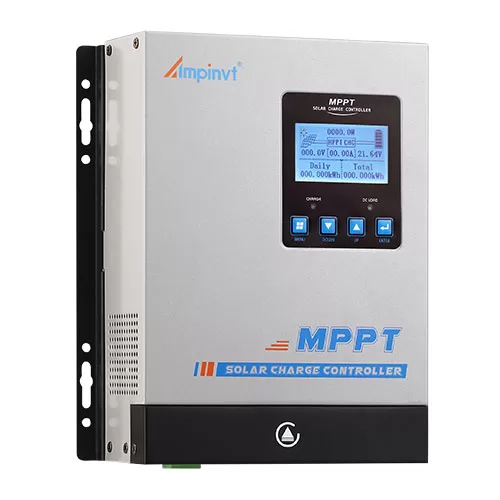
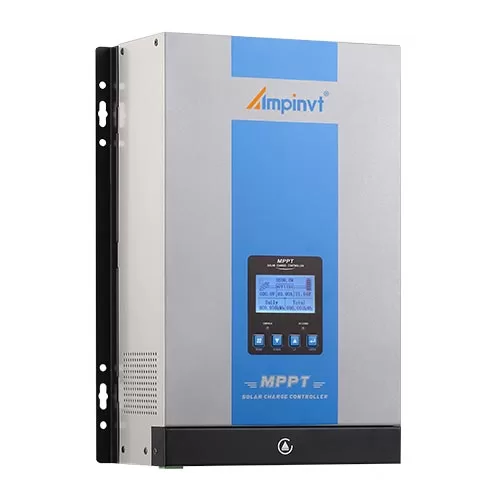
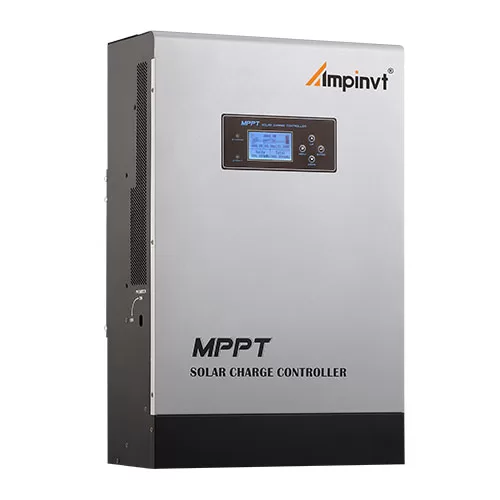
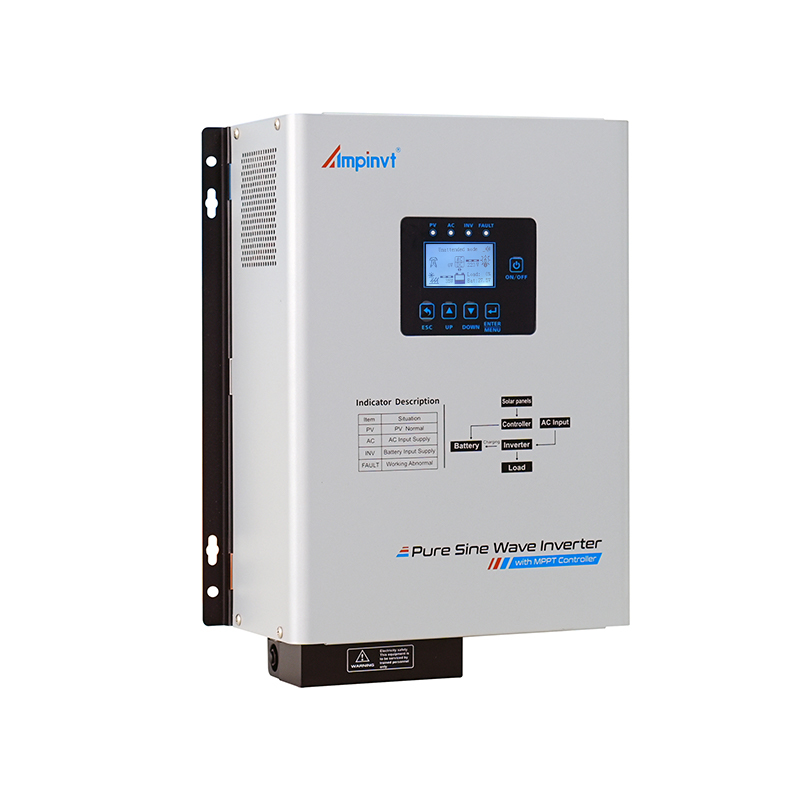
Maximum power point tracking (MPPT) charge controllers enhance efficiency by optimizing the charging process of batteries connected to solar panels. MPPT controllers track the maximum power output of the solar panels and adjust the charging voltage accordingly, ensuring that the batteries receive the optimal charge.
Avoid using extension cords or power strips to connect loads to the inverter. These additional connections introduce resistance and voltage drop, reducing efficiency. Connect loads directly to the inverter’s output terminals whenever possible.
Proper ventilation is vital to prevent overheating, which can lead to reduced efficiency and potential damage to the inverter. Ensure that the inverter is located in a well-ventilated area with adequate airflow. Consider using fans or other cooling devices if necessary.
Monitoring the inverter’s performance and power consumption is crucial for optimizing efficiency. Use a power meter to track the wattage and current consumption of loads, and adjust accordingly to minimize unnecessary power usage.
By implementing these tips, users can maximize the efficiency of low frequency power inverters, enhancing system performance, reducing energy consumption, and ensuring a reliable and efficient power source. Regular monitoring and maintenance will further ensure the long-term functionality and effectiveness of the inverter.

COMPANY
PRODUCTS