Welcome to Ampinvt !
 Products
 Partnership
  Contact
Large lead-acid batteries are commonly used in applications such as automotive, marine, and industrial power systems. They are known for their reliability and long lifespan, but like any other battery type, they can experience various issues over time. Troubleshooting common problems with large lead-acid batteries is essential to maintain optimal performance and prevent costly repairs or replacements.
Low Battery Voltage
Low battery voltage is a common issue that can be caused by several factors:
Over-discharging: Discharging a battery beyond its recommended depth of discharge (DOD) can damage the plates and lead to low voltage.
Sulfation: The formation of lead sulfate on the battery plates can block the flow of electricity and reduce battery capacity.
Loose connections: Poor connections between the battery terminals and cables can cause high resistance and voltage drop.
Capacity Loss
A decrease in battery capacity indicates that the battery is not able to store as much energy as before. This can be attributed to several reasons:
Age: Lead-acid batteries gradually lose capacity over time due to the degradation of the plates and electrolyte.
Overcharging: Repeated overcharging can lead to excessive heat buildup and damage the plates, resulting in reduced capacity.
Temperature extremes: Extreme heat or cold can accelerate battery degradation and affect its capacity.
Excessive Self-Discharge
Excessive self-discharge occurs when a battery loses charge when not in use. This can be caused by:
Grid corrosion: Corrosion of the positive grid can create a path for current to flow even when the battery is not connected to a load.
Electrolyte leakage: Cracks or holes in the battery case can allow electrolyte to leak out, which can lead to self-discharge.
Internal short circuits: A short circuit between the positive and negative plates can cause a continuous flow of current and rapid self-discharge.
Cell Imbalance
Individual cells within a large lead-acid battery may become unbalanced, leading to performance issues.
Uneven charging: If individual cells are not charged at the same rate, the weaker cells may become overcharged while the stronger cells are undercharged.
Imbalanced electrolyte: Differences in electrolyte concentration between cells can affect their charge acceptance and discharge characteristics.
Internal resistance: Variations in internal resistance between cells can lead to uneven current distribution and cell imbalances.
Addressing Battery Issues
Troubleshooting and addressing common issues with large lead-acid batteries require careful inspection, testing, and corrective actions:
Visual inspection: Check for signs of damage, corrosion, or leaks on the battery case, terminals, and cables.
Voltage testing: Measure the battery voltage under load and no-load conditions to identify voltage drop or low voltage.
Capacity testing: Conduct a discharge test to determine the remaining capacity and identify any capacity loss.
Sulfation testing: Use a sulfation tester to check the extent of lead sulfate buildup on the plates.
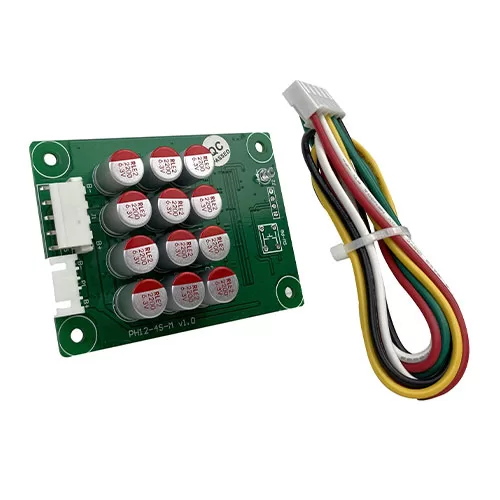
Cell balancing: Equalize the charge between individual cells to restore balance and improve overall performance.
It is important to note that troubleshooting large lead-acid batteries can be complex and may require specialized knowledge and equipment. If you encounter persistent issues or are unsure about the diagnosis or repair, it is advisable to consult with a qualified battery technician or manufacturer.

COMPANY
PRODUCTS