Welcome to Ampinvt !
 Products
 Partnership
  Contact
A Comprehensive Guide to Understanding Lithium Charge Controllers
Understanding Lithium Charge Controllers: A Comprehensive Guide is an in-depth resource for anyone seeking to delve into the intricacies of lithium charge controllers. This guide provides a comprehensive overview of the principles, functions, and applications of these critical components in lithium-ion battery systems.
Overview
Lithium charge controllers play a vital role in managing the charging and discharging of lithium-ion batteries, ensuring their optimal performance and longevity. They regulate the flow of current and voltage, protecting the battery from overcharging, over-discharging, and other potential hazards. By understanding the key aspects of lithium charge controllers, users can ensure the safe and efficient operation of their battery systems.
Functions
Voltage Regulation:
Lithium charge controllers maintain the voltage of the battery within a predefined range. They prevent overcharging, which can lead to battery damage, and ensure proper charging to maximize battery capacity.
Current Control:
The controller limits the current flowing into and out of the battery. Excessive current can cause overheating and damage the battery. The controller regulates the current based on the battery’s charge level and the load demand.
Temperature Monitoring:
Temperature affects the performance and lifespan of lithium-ion batteries. Charge controllers monitor the battery temperature and adjust the charging and discharging parameters accordingly.
Balancing:
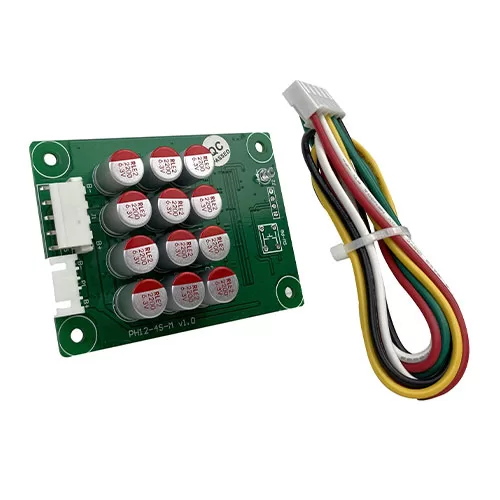
In multi-cell battery configurations, charge controllers ensure that each cell charges evenly. This prevents uneven charge distribution, which can lead to reduced capacity and premature battery failure.
Types
Lithium charge controllers come in various types, each with its advantages and applications:
Linear Regulators:
Linear regulators are simple and inexpensive, but they dissipate excess voltage as heat. This can be inefficient, especially for high-current applications.
Switching Regulators:
Switching regulators are more efficient than linear regulators and generate less heat. They are typically used in higher-power applications where efficiency is critical.
Battery Management Systems (BMS):
BMSs are advanced charge controllers that include additional features such as cell balancing, fault detection, and communication capabilities. They provide robust protection and monitoring for lithium-ion batteries.
Applications
Lithium charge controllers are essential components in various applications involving lithium-ion batteries:
Portable Devices:
Smartphones, laptops, and other portable devices rely on lithium charge controllers to manage battery charging and protect the battery from damage.
Electric Vehicles:
Electric vehicles require high-power charge controllers to regulate the flow of current and voltage in the large battery packs.
Energy Storage Systems:
Lithium charge controllers ensure the safe and efficient charging and discharging of lithium-ion batteries used in renewable energy storage systems.
Considerations
When selecting a lithium charge controller, several key factors should be considered:
Battery Specifications:
The controller must be compatible with the voltage, capacity, and type of lithium-ion battery being used.
Power Requirements:
The controller should be able to handle the maximum charging and discharging currents of the system.
Environmental Conditions:
The controller should operate within the expected temperature and humidity range of the application.
Additional Features:
Depending on the application, additional features such as cell balancing, communication capabilities, and fault protection may be desirable.

COMPANY
PRODUCTS